 WhatsApp
Marketplaces, Insider
Why Amazon’s “Fulfilled by Amazon” Badge Doesn’t Mean What You Think
Why Amazon’s “Fulfilled by Amazon”
Badge Doesn’t Mean What You Think
Most buyers see “Fulfilled by Amazon” and assume Amazon vouches for the product. It doesn’t. The badge tells you who ships the parcel — not who sourced it, not whether it’s genuine, and not who is responsible if something goes wrong. Here’s what it actually means.
·
Amazon Guide
·
April 2026
9 min read
·
maibo.uk
third-party sellers
commingling began
20 years too late
“Fulfilled by Amazon” is one of the most effective pieces of marketing in e-commerce history. It sounds like Amazon endorsement. It sounds like Amazon quality control. It sounds like Amazon standing behind the product you’re about to buy. None of that is what it means.
What FBA means, precisely, is this: a third-party seller sent their inventory to an Amazon warehouse, and Amazon will pick, pack, and ship it when you order. That’s the entire scope of Amazon’s involvement. The product itself — where it came from, whether it’s genuine, what condition it arrived at the warehouse in — was never Amazon’s responsibility, and in most cases Amazon never inspected it.
There is a meaningful difference between “Sold by Amazon.co.uk” and “Fulfilled by Amazon.” Only the first means Amazon sourced and owns the product. The second means a third party sourced it and Amazon warehouses it. The badge looks identical. The distinction is everything.
The Commingling Problem — What Was Actually Happening in Amazon Warehouses
For nearly 20 years, Amazon operated a system called commingling — officially termed “stickerless commingled inventory.” The logic was operational efficiency: if ten different sellers all send the same headphone model to Amazon’s warehouses, why store them separately? Pool them all together, fulfil orders from whichever unit is physically closest to the buyer, and everyone wins on delivery speed.
The problem was immediately obvious to anyone who thought about it for thirty seconds: if nine of those sellers sent genuine units and one sent counterfeits, the counterfeit units were now indistinguishable from genuine ones in the shared pool. A buyer purchasing from one of the nine legitimate sellers could receive a counterfeit unit sent by the tenth seller. The legitimate seller’s account received the negative review. Amazon’s system had no mechanism to determine which seller’s unit had actually been shipped.
This was not a theoretical risk. It happened at scale, across every product category including electronics. The consequences were documented publicly enough that major consumer brands took the drastic step of withdrawing from Amazon entirely rather than have their products mixed with counterfeits in Amazon’s warehouse system.
If 100 sellers are commingled and one sends in counterfeits, the other 99 share the exposure. That was the system. Amazon announced it’s ending it in March 2026 — after nearly 20 years.
The Three Labels — What Each Actually Means
Amazon listings show seller and fulfilment information in the product detail page. Most buyers glance at this and process it as “Amazon” — but there are three meaningfully different configurations, each with different implications for product authenticity and accountability.
Highest confidence
Amazon sourced this product directly from the brand or an authorised distributor. Amazon owns the inventory and is responsible for its authenticity. This is the configuration most buyers assume they’re buying when they see any Amazon listing — but it applies to a minority of transactions. Amazon’s own retail operation is a fraction of the total marketplace activity.
Verify the seller
A third-party seller sourced this product independently and sent it to an Amazon warehouse. Amazon handles the logistics but never inspected the product for authenticity. Until March 2026, your unit may have come from a different seller’s inventory pool due to commingling. The seller name matters here — a third party with years of category history and verified reviews is a different proposition to a seller with 12 reviews and 3 months of account history.
Highest scrutiny needed
Neither sold nor fulfilled by Amazon. A third-party seller is listing on the Amazon marketplace and dispatching from their own location. Amazon provides the platform and its buyer protection policy, but has no physical involvement in the transaction. For established sellers with strong track records this is entirely normal. For unknown sellers with minimal history, this configuration carries the highest risk of counterfeit or misrepresented products.
·
maibo.uk
March 2026: Commingling Ends — What Changes and What Doesn’t
Amazon announced at its September 2025 Accelerate conference — reportedly drawing more applause from sellers than any other policy announcement of the event — that commingling practices would end across its fulfilment network effective 31 March 2026. From that date, every product unit in Amazon’s warehouses must be individually tracked to its seller. Your FBA order now comes from the specific seller you purchased from, not from a commingled pool.
This is a genuinely significant improvement for buyers. The structural vulnerability that allowed counterfeit units to contaminate legitimate sellers’ inventory pools is removed. A third-party seller who sends genuine stock to Amazon’s warehouse now knows that their specific units will ship to their customers — not units from another seller’s questionable supply chain.
What doesn’t change: Amazon still doesn’t inspect products for authenticity before accepting them into FBA. The responsibility for sourcing genuine products remains entirely with the third-party seller. The end of commingling removes one specific risk vector — inventory pool contamination — but it doesn’t make every FBA seller a verified legitimate supplier. A seller who sends counterfeits to Amazon’s warehouse will now have those counterfeits shipped specifically to their own customers rather than to anyone in the commingled pool. That’s better for innocent sellers. It’s not a guarantee of authenticity for the buyer.
How to Actually Evaluate an Amazon Listing for Electronics
On any Amazon product page, look for “Sold by” in the buy box, not just “Fulfilled by Amazon.” Click the seller name to see their full profile — when they joined, their feedback count, their feedback percentage, and the categories they operate in. A seller with 5,000 feedbacks at 98% over four years in the audio category is a known quantity. A seller with 40 feedbacks over 3 months is not — regardless of what the FBA badge implies.
Filter reviews to one star and read the first 10. For electronics, the one-star reviews reveal the failure modes — and specifically reveal whether buyers are reporting counterfeits, items that stopped working within weeks, or products that don’t match the description. A product with 4.4 stars that has 30 one-star reviews mentioning “fake,” “counterfeit,” or “not as described” is telling you something the headline rating obscures.
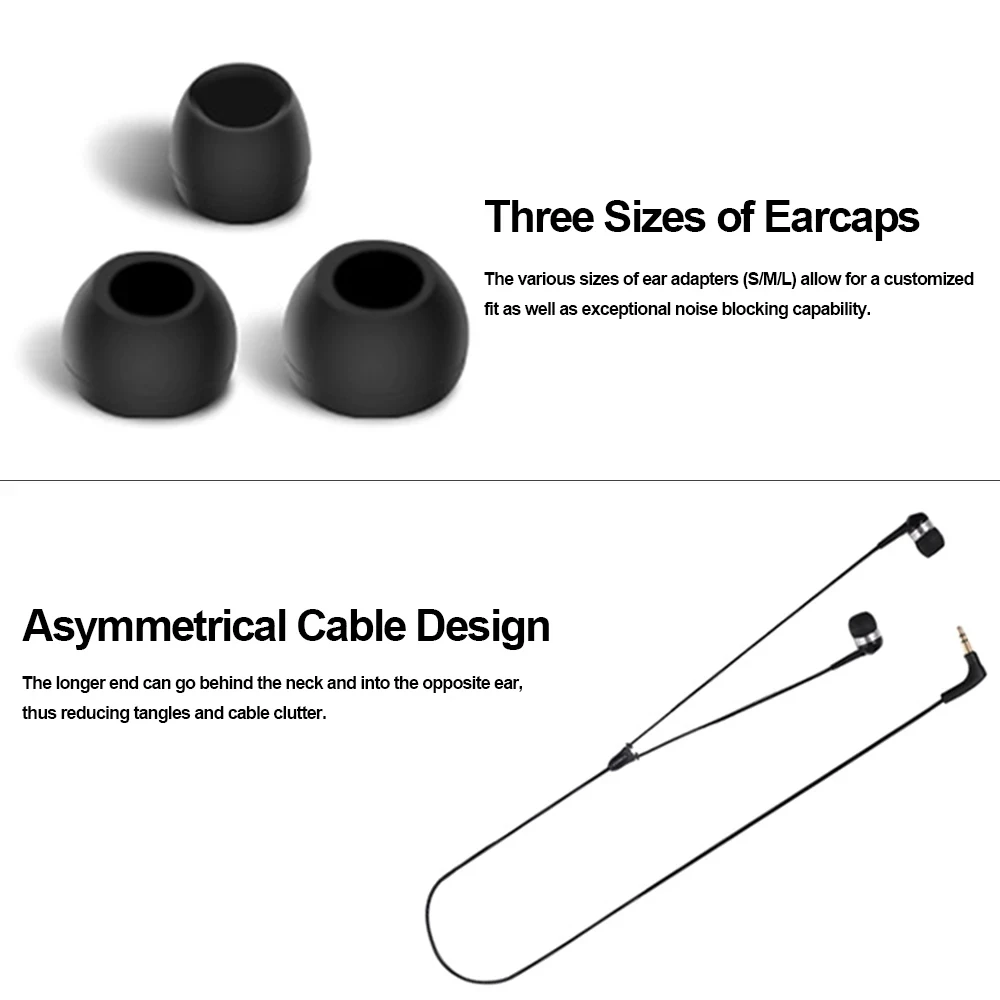
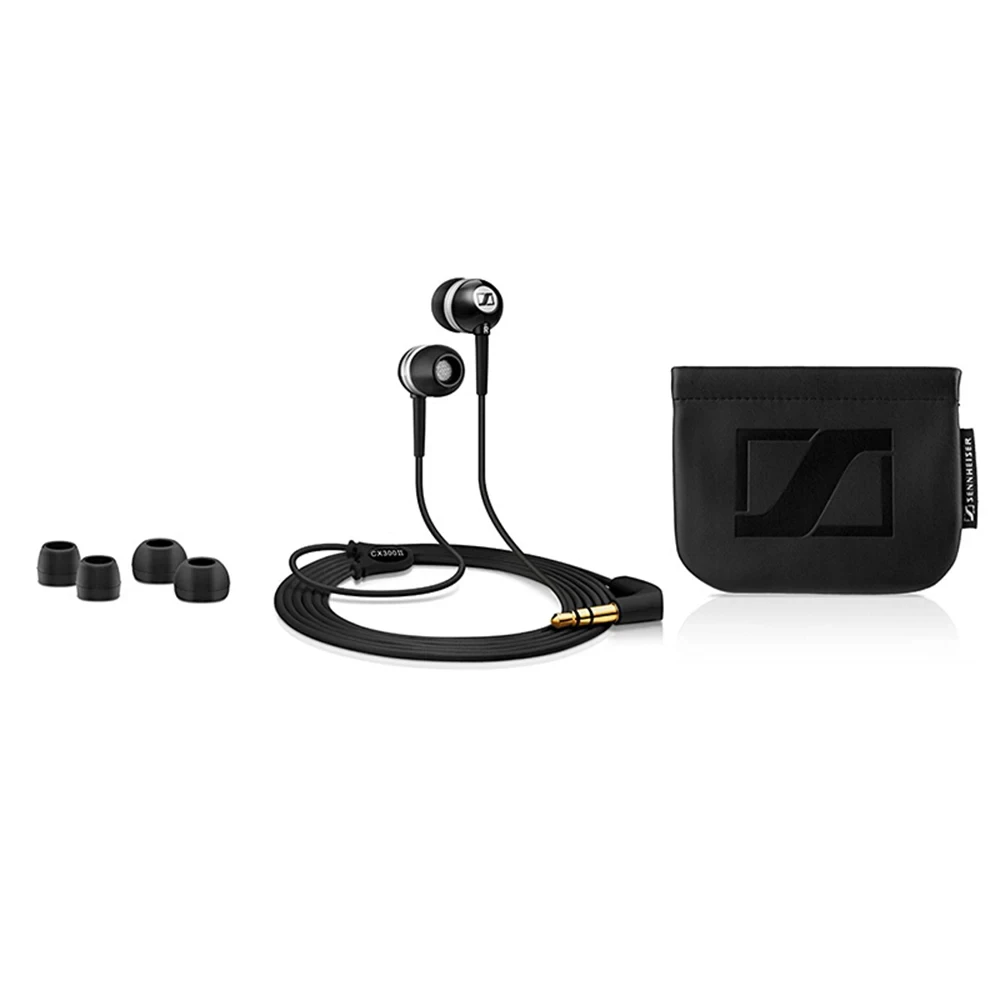
A Sennheiser CX 300 II listed at £8.99 with FBA is not a deal — it’s a signal. Genuine discontinued Sennheiser stock at that price point doesn’t exist in legitimate supply chains. The FBA badge doesn’t change the economics of authentic electronics supply. If a price is significantly below what genuine stock should cost, the FBA badge is providing false reassurance about what you’re actually receiving.
Many electronics brands publish lists of authorised UK resellers. Sennheiser, Bose, Sony, Beats — if the seller you’re buying from is not on the brand’s authorised list, you have no guarantee that the product came through a legitimate supply chain, regardless of how Amazon fulfils it. A few minutes of searching the brand’s UK website often confirms whether a seller is legitimate.
Both tools analyse Amazon review profiles and provide an independent quality score. They identify patterns consistent with incentivised, coordinated, or purchased reviews. A product with a 4.5-star headline rating that scores a “C” on Fakespot has a review profile that doesn’t match organic buyer behaviour. For electronics over £30, running the ASIN through one of these tools takes 30 seconds and adds meaningful signal to your decision.
On any Amazon listing page, look at the buy box on the right side. Find the line that says “Sold by” — not “Fulfilled by.” If it says “Amazon.co.uk” you’re buying Amazon’s own inventory. If it says anything else, you’re buying from a third party who happens to use Amazon’s warehouse. That distinction — two seconds to check — is the most useful piece of information on the entire product page.
Why This Matters Specifically for Electronics
Electronics counterfeiting has consequences that go beyond disappointment. A counterfeit battery in a charging case can be a fire risk. A fake noise-cancelling headphone with substandard driver components can cause hearing damage at high volumes. A counterfeit USB-C cable with incorrect resistance can damage the device it’s connected to.
Electronics brands have invested decades and billions in acoustic engineering, safety testing, and component quality. A counterfeit that replicates the exterior of a Sennheiser or Bose product shares none of that investment. It’s a shell containing whatever components were cheapest to source, finished to look like something it isn’t.
The FBA badge was never a substitute for knowing who you’re buying from. It is a logistics indicator. Nothing more. The end of Amazon’s commingling system in March 2026 is a genuine improvement — but it doesn’t change the fundamental principle: the seller’s track record, supply chain legitimacy, and product knowledge are what determine whether you receive what you paid for.
·
maibo.uk
“Fulfilled by Amazon” means Amazon ships it. It has never meant Amazon sourced it, inspected it, or vouches for it. The end of commingling in March 2026 removes a genuine structural flaw — but the responsibility for knowing who you’re buying from has always been yours, and it remains yours now. Two seconds checking “Sold by” before you add to cart is worth more than any badge.
Maibo sources directly from authorised UK distributors and verified Shenzhen manufacturers. 18 years of eBay and marketplace selling — no FBA badge needed to verify we’re genuine.
Fulfilled by Amazon
Amazon Counterfeits
Amazon UK
Electronics Buying Guide
Amazon Commingling
Amazon Guide
