 WhatsApp
Marketplaces, Insider
Alibaba Shows You Traders. Shenzhen Shows You the Factory
Alibaba Shows You Traders.
Shenzhen Shows You the Factory.
After 20 years of sourcing consumer electronics from China, I still use Alibaba — but for a fraction of what I once did. Here’s what changed, and what most sourcing guides won’t tell you about the difference between a screen and a factory floor.
Shenzhen direct
electronics district
vs Alibaba international
When I started sourcing electronics from China, Alibaba was the obvious starting point. A supplier list, product photos, an inquiry button. Simple enough. The responses came quickly. The prices looked reasonable. The “Gold Supplier” badge and “Trade Assurance” labels added a layer of reassurance I now understand was mostly cosmetic.
The problem wasn’t that Alibaba lied. It was that Alibaba showed me traders and called them suppliers. A trading company that buys from three different factories, marks up the price, handles the English-language communication, and presents itself as a manufacturer. Perfectly legal. Very common. And the reason the price you see on Alibaba is never quite the price at which the product actually leaves the factory.
The first time I walked through Huaqiangbei — the electronics district in Shenzhen that spans over 1.5 million square metres across dozens of buildings — I understood in about twenty minutes what no Alibaba listing had ever made clear. The factory and the trader are two different things. The price the factory charges the trader and the price the trader charges you are two different things. And the relationship you build with each of them produces two entirely different results over time.
What Alibaba Actually Is — And Isn’t
Alibaba is a marketplace. Its job is to connect buyers and sellers. It does that reasonably well — it has verification systems, buyer protection via Trade Assurance, and English-speaking customer service infrastructure that a direct factory relationship doesn’t offer. These are real advantages, particularly for first-time importers who need guardrails.
What it cannot do — by design — is eliminate the trader layer for most product categories. A legitimate electronics manufacturer in Shenzhen has no particular reason to manage English-language customer inquiries from UK small businesses, handle international payment logistics, deal with returns and disputes via an online portal, or respond to messages at all hours across time zones. Trading companies exist precisely to absorb that friction. Alibaba is populated mostly by trading companies because trading companies are what the platform is optimised for.
The practical result: the price on Alibaba includes a margin for the trader. That margin varies — sometimes 10%, sometimes 40% — and you have no visibility into it. You’re not buying from the factory. You’re buying from someone who buys from the factory, at a price the factory set for bulk, marked up to a price the trader calculated based on your order size and negotiating position.
In 20 years of sourcing, I’ve seen this play out the same way across hundreds of transactions. The trader is not the enemy — they provide genuine value in certain situations. But paying a 25% trader margin on every order, every year, on every product category, adds up to a significant structural cost that most UK importers are absorbing without realising it.
“The trader is not the factory. The factory price is not the Alibaba price. Once you understand that, every sourcing decision looks different.”
— Halil Ibrahim Tutuncu, Maibo
What Shenzhen Changes
Being physically present in Shenzhen collapses the trader layer. Not for everything, not immediately, not without effort — but it creates conditions for a different kind of relationship that an online platform categorically cannot replicate.
In Huaqiangbei, you can walk into a building, hold the product, check the packaging, inspect the connectors, and talk directly to the person who decides the price — not the person whose job is to receive inquiries. You can visit the same market floor three times in a week and watch which vendors are consistently there, which ones have real stock, and which ones are placing orders upstream when you ask for a quote. That observation is worth more than any audit report.
There’s a practical test I’ve used for years: show up without a list and you are shopping. Show up with a specific product spec, a target price based on 1688.com pricing, and a clear order quantity — and the conversation is completely different. The vendors who can meet the spec and the price are real suppliers. The ones who can only approximate it or can’t explain where the product comes from are traders who will quote you whatever sounds plausible.
The price difference between a direct factory relationship and an Alibaba international listing varies significantly by category. For consumer electronics accessories — cables, adapters, chargers, earphones — the gap between 1688.com domestic pricing and Alibaba international pricing for the same product from the same source is typically 10–30%. For branded or licensed products, the gap is different because the brand itself is the supply chain. But for commodity electronics, that differential is real money at volume.
The 5 Real Differences — Platform vs. Floor
- 1Price transparency
On Alibaba, the price is what the trader decided to show you. On the floor in Shenzhen, the price is what the supplier needs to move the product. You can cross-reference 1688.com — Alibaba’s domestic China platform where the same suppliers list for the local market — and immediately know whether the international price is reasonable or padded. Most buyers never make this comparison. The ones who do save meaningful money per order.
- 2Stock reality vs. stock claims
Alibaba listings show availability that may or may not reflect physical stock. A supplier who tells you they have 10,000 units ready may be quoting you on production capacity, not warehouse inventory. In Huaqiangbei you can see the stock. Shelves, boxes, labelling. If a vendor has to make a phone call when you ask about availability, you know they’re sourcing upstream — not selling from their own inventory. That distinction matters enormously for lead times and reliability.
- 3Quality control access
On Alibaba, quality control happens via sample orders, third-party inspection services, or after the fact when the shipment arrives. In Shenzhen, you inspect the product before you commit to the order. You check the packaging, the connectors, the build quality, the accessories. For electronics where counterfeiting is a persistent risk, physical inspection before purchase removes the primary vulnerability. A Gold Supplier badge doesn’t tell you whether the product in the box matches the product in the listing. Holding it does.
- 4Relationship vs. transaction
Alibaba is transactional by design. Each inquiry starts from zero. The supplier doesn’t know you, has no reason to prioritise your order, and will quote the same price to the next buyer five minutes later. A Shenzhen supplier you’ve bought from multiple times, paid reliably, and communicated with consistently behaves differently. They’ll call you when relevant stock arrives before listing it publicly. They’ll hold units for you. They’ll tell you when something is about to be discontinued. None of that happens on a platform.
- 5Speed on discontinued and limited stock
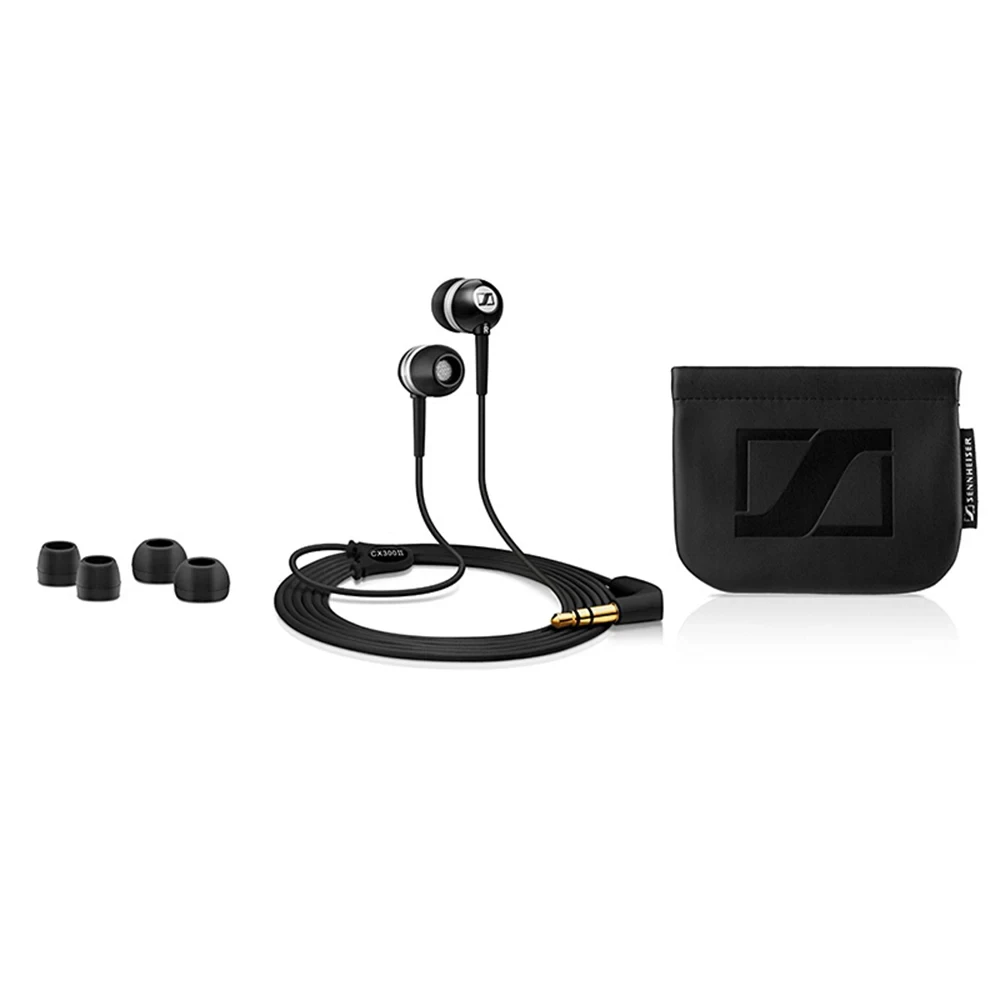
The discontinued stock that forms a meaningful part of our business — Sennheiser models no longer in production, Bose wired earphones the market exited, audio products where genuine remaining inventory is the only inventory — doesn’t list reliably on Alibaba. Traders don’t hold it because it doesn’t fit their model. Direct relationships in Shenzhen are where last legitimate stock surfaces. By the time something appears on Alibaba as “remaining stock,” the price reflects scarcity that was already visible to people with direct supplier contact months earlier.
1688.com — Alibaba’s domestic Chinese platform — is where most Shenzhen suppliers also list for the local market. The same product, same supplier, different price. It’s in Chinese, requires a Chinese payment method to transact directly, and doesn’t export. But it’s the most reliable price benchmark available to any international buyer. If an Alibaba international listing is priced 30% above the 1688 domestic listing for the same product from the same supplier, that’s the trader margin made visible. Most UK importers never check it. We do, on every category we source.
When Alibaba Still Makes Sense
I haven’t stopped using Alibaba. The argument isn’t that it’s useless — it’s that it’s the wrong primary tool for most of what we do, and the right tool for specific situations.
For a first-time importer testing a new product category with a small order, Alibaba’s Trade Assurance and dispute resolution infrastructure is genuine protection worth paying for. The trader margin is the cost of not knowing what you’re doing yet — and that’s a reasonable trade.
For categories where you don’t have existing Shenzhen relationships and can’t physically verify suppliers, Alibaba’s verification layer — imperfect as it is — provides more structure than sourcing cold from unknown suppliers. The Gold Supplier and Trade Assurance designations are not guarantees, but they’re not nothing either.
Where I no longer use it: established product categories where I have direct Shenzhen relationships, discontinued or limited stock sourcing where the product doesn’t list reliably online, and anything where the physical inspection of product quality before purchase is non-negotiable. For those cases, the platform layer adds cost and friction without adding protection.
Alibaba is a directory. Shenzhen is the source. The price difference between what a trader charges on an international platform and what a direct supplier charges at volume is real, consistent, and compounds over time. For any UK importer buying electronics in volume: the single highest-ROI thing you can do is get physically present in Shenzhen once, build three direct supplier relationships, and cross-reference 1688 pricing before every Alibaba order. The platform doesn’t disappear from your workflow — it just stops being your primary tool.
Buy from a UK seller with 20 years of direct Shenzhen supply chain relationships — not a trader with a Gold Supplier badge.
Alibaba vs Shenzhen
China Electronics Sourcing
Huaqiangbei
Electronics Import UK
Industry Insider
More from the Journal
Keep reading