 WhatsApp
Marketplaces
eBay’s “Free Returns” Badge: What It Covers, What It Doesn’t, and What Nobody Explains
eBay’s “Free Returns” Badge:
What It Covers, What It Doesn’t, and What Nobody Explains
The “Free Returns” badge on an eBay listing sounds like a promise. It isn’t — at least not the one most buyers think they’re getting. Here’s what it actually means, when it applies, and when you’re on your own.
Guarantee window
most buyers know only one
we’ve seen every variation

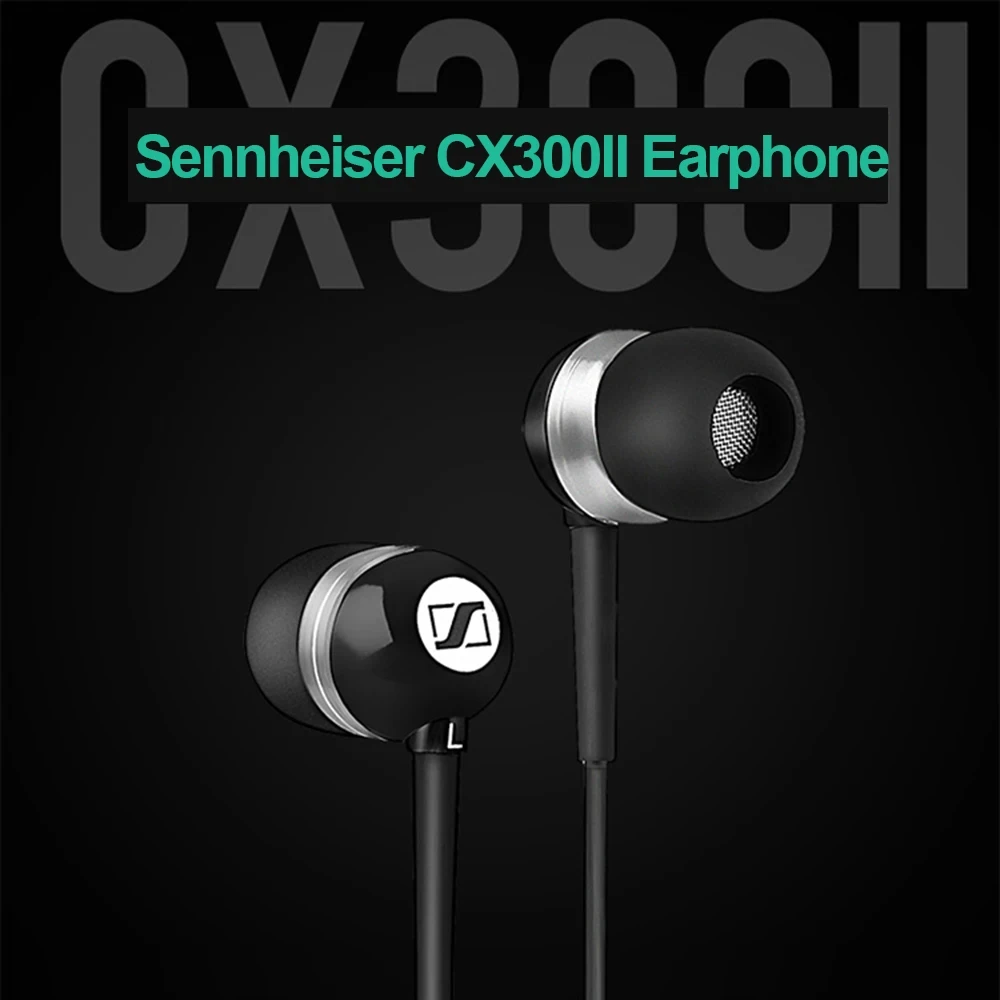
A buyer purchases a pair of earphones on eBay. The listing shows a “Free Returns” badge. The earphones arrive and they work perfectly — but the buyer changes their mind. They want to return them. They open a return request, expecting the free label that the badge seemed to promise.
The seller’s policy turns out to be “30-day buyer-paid returns.” Free returns badge — buyer pays postage. The buyer is confused, frustrated, and feels misled. The seller has done nothing wrong. The badge was technically accurate.
This gap between what the badge implies and what the policy actually says is one of the most consistent sources of buyer-seller friction on eBay UK. I’ve been on the seller side of this conversation for 18 years. The confusion is almost never bad faith — it’s a genuine misunderstanding of how eBay’s return system actually works. Two separate layers. Different rules. One badge that covers both badly.
The Two Return Systems — Why Most Buyers Only Know One
eBay UK operates two entirely separate return frameworks simultaneously. They look identical from the buyer’s perspective until something goes wrong — at which point the difference matters a great deal.
The eBay Money Back Guarantee is eBay’s platform-level protection. It applies to every eligible transaction regardless of what the individual seller’s return policy says. If the item doesn’t arrive, arrives damaged, or doesn’t match the listing description — these are covered. The seller pays return postage. The buyer gets a full refund including original shipping. Even if the seller’s policy says “no returns accepted,” the Money Back Guarantee overrides it for these specific situations. This is the layer most buyers know about, and it’s genuinely robust.
The seller’s return policy is everything else. Changed your mind? Ordered the wrong size? Bought two and only wanted one? These are “buyer’s remorse” returns — and they fall entirely under the seller’s stated policy, not eBay’s Money Back Guarantee. If the seller offers free returns, you get a free label. If they offer “buyer-paid returns,” you pay postage to send it back. If they say “no returns,” eBay still lets you initiate a return request — but you’ll be paying postage yourself unless the seller chooses to cover it.
Since 2008 on eBay, I’ve watched buyers conflate these two systems constantly. The platform doesn’t make the distinction obvious. A “Free Returns” badge in search results could mean the seller covers all returns, or it could just mean eBay’s Money Back Guarantee applies — which it does for every qualifying transaction anyway. The badge adds noise where there should be clarity.
“eBay’s Money Back Guarantee covers what the seller did wrong. The seller’s return policy covers what the buyer changed their mind about. These are two different things — and only one of them is free by default.”
— Halil Ibrahim Tutuncu, Maibo
What “Free Returns” on a Listing Actually Means
When a seller opts into eBay’s free returns programme — offering either 30-day or 60-day free returns — they agree to cover return postage for any reason, including buyer’s remorse. This is genuinely buyer-friendly and it costs the seller real money: a tracked Royal Mail return label for a small electronics item runs £3.50–£5.50 depending on weight.
In exchange, the seller gets a ranking boost in Cassini — eBay’s search algorithm — and the “Free Returns” badge displayed on listings. The badge is therefore partly a marketing signal, not purely a buyer protection indicator. Sellers offer free returns because it increases conversion. The cost gets priced into the margin. The “free” is paid for somewhere — usually in a slightly higher sale price than an equivalent listing without the policy.
What the badge does not tell you: the condition the item must be returned in, whether a partial refund can be applied for items returned in worse condition than dispatched, or the seller’s process for inspecting and processing the return. A seller offering free returns can still reduce your refund by up to 50% if the item comes back damaged or in a different condition to how it was sent. Free to send back does not mean unconditional full refund.
When You’re Paying Return Postage — The Scenarios
- 1You changed your mind — seller offers “buyer-paid returns”
The most common scenario. You buy a product, it arrives as described, you decide you don’t want it. The seller’s policy says buyer pays return postage. You pay. eBay’s Money Back Guarantee doesn’t apply here — the seller did nothing wrong. Tracked return postage for a typical electronics item: £3.50–£6.00 depending on weight.
- 2You changed your mind — seller says “no returns accepted”
eBay still allows you to open a return request. The return will be accepted — eBay overrides “no returns” for buyer’s remorse in some cases. But you pay postage. The seller can refuse the return if it falls outside eBay’s policy parameters. This is the scenario where buyers most frequently feel misled — eBay lets you return something a “no returns” seller listed, but it’s not free and it’s not guaranteed.
- 3Item not as described — always free, always seller’s responsibility
Wrong item. Item arrived damaged. Item significantly different to listing description. These are Money Back Guarantee cases. The seller pays return postage regardless of their stated policy. You get a full refund including original shipping. This is the layer that actually works unconditionally — and it’s the one most buyers incorrectly assume covers all returns.
- 4Free returns listing — item returned in worse condition
Even with a seller offering free returns, if the item comes back damaged, missing components, or clearly used beyond inspection, the seller can apply a partial refund deduction of up to 50%. The return label was free — the full refund is not guaranteed. Sellers legitimately use this to protect against wardrobing (buying, using, returning).
- 5Original shipping — almost never refunded on buyer’s remorse returns
Even on free returns, the original delivery charge is only refunded if the return reason falls under the Money Back Guarantee. Changed your mind? You get the item price back. The £3.99 postage you paid to receive it: gone. This is technically correct — the postage was for a service already rendered — but it surprises buyers who assumed “free returns” meant a complete reversal of the transaction.
How to Read a Listing Before You Buy
Three things to check before purchasing on eBay UK — takes 30 seconds, saves significant frustration:
1. Find the returns policy section in the listing. Scroll below the item description. The seller’s return policy is stated explicitly: “30-day free returns,” “30-day buyer-paid returns,” “60-day free returns,” or “no returns accepted.” Don’t rely on the badge in search results — read the actual policy text in the listing.
2. Check who pays return postage. Even if a return is accepted, who pays postage is a separate question from whether the return is accepted. A seller can accept returns but require the buyer to cover postage. Both pieces of information should be visible in the listing’s returns section.
3. Note the return window. eBay’s Money Back Guarantee window is 30 days from delivery. The seller’s own return policy window may be shorter or longer. If you’re buying something you might want to return — a gift, a size-dependent item, anything uncertain — check that the return window covers your likely decision date.
In 20 years of running eBay stores, the returns disputes I’ve seen go badly for buyers are almost always the same pattern: buyer assumed “free returns” covered their situation, didn’t read the policy, contacted the seller expecting a free label, and discovered only then that their return reason fell under the seller’s policy rather than eBay’s guarantee. The policy was visible before purchase. The badge created an expectation the policy didn’t match.
At Maibo, we offer 30-day returns on all orders. If the item isn’t as described or arrives faulty — we cover postage, full refund, no questions. If you change your mind on a working product, we ask you to cover return postage: typically £3.50–£4.50 tracked Royal Mail. We tell buyers this upfront because the alternative — listing a “free returns” badge and burying the conditions — is how most disputes start. Our return rate runs under 2% across all categories. Accurate listings and honest policies are the reason.
When eBay Steps In — And When It Doesn’t
If a return dispute can’t be resolved between buyer and seller, either party can ask eBay to step in. eBay’s decision is typically final. What most buyers don’t know: eBay’s intervention is much more decisive on Money Back Guarantee cases than on seller policy cases.
For “item not as described” returns — eBay almost always sides with the buyer and issues a full refund including original shipping. The seller is required to reimburse eBay. The seller’s return policy is irrelevant.
For buyer’s remorse returns where the seller’s policy doesn’t cover free returns — eBay enforces what the seller’s policy states. If the policy says buyer pays postage, eBay will confirm that. If the policy says no returns, eBay may still facilitate a return but won’t force the seller to pay postage for a change-of-mind case. Asking eBay to step in on a buyer’s remorse dispute against a clear seller policy rarely produces the outcome buyers hope for.
The “Free Returns” badge covers eBay’s Money Back Guarantee — which applies to faulty, damaged, or misdescribed items and is genuinely strong. For everything else — changed your mind, wrong size, buyer’s remorse — the seller’s individual policy applies and free return postage is not guaranteed. Before buying anything on eBay you might want to return: scroll past the badge, find the policy text, read who pays postage, check the return window. Thirty seconds. Every time.
Buy from a seller with a returns policy written in plain English — not hidden behind a badge.
eBay Free Returns
eBay Money Back Guarantee
eBay Buyer Guide
eBay UK 2026
eBay Guide
More from the Journal
Keep reading