 WhatsApp

Marketplaces
What Actually Happens to Returned Headphones at Amazon
What Actually Happens to Returned Headphones at Amazon —
And What It Means for the Next Buyer
Amazon processes between 1.2 and 1.5 billion returned packages every year. A meaningful portion of them end up back on the site — repackaged, regraded, and sold to the next buyer. Here’s how that pipeline actually works, what the grading labels really mean, and what most buyers never realise they’re purchasing.
Amazon, annually
Amazon’s resale system
processed per week
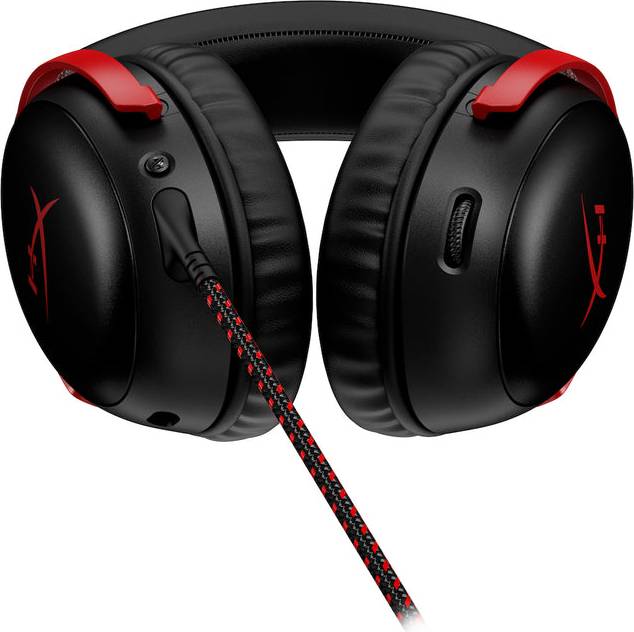
A UK buyer purchases a £140 pair of headphones from Amazon. They arrive, the buyer uses them for three days, decides the fit is wrong, and returns them. They receive a refund within 48 hours. From their perspective, the transaction is over.
From Amazon’s perspective, a new transaction has just started. The returned headphones arrive at a fulfilment centre. An associate has between 30 and 60 seconds to inspect them, decide whether they’re sellable, and assign a grade. The decision determines what happens to the unit next — and crucially, who eventually receives it.
Most buyers never think about this part of the system. They see “Amazon Warehouse” listings, “Used – Very Good” labels, and “Renewed” categories without understanding what those labels actually correspond to operationally. After 18 years selling on UK marketplaces and watching Amazon’s resale system mature, I can tell you exactly what each label represents — and what it doesn’t.
The 30-Second Inspection — What Actually Gets Checked
The starting point for every returned item is an inspection that lasts approximately 30 to 60 seconds. Amazon’s fulfilment centre associates process hundreds of returns per shift, with throughput targets that don’t allow extended assessment of any single unit. The inspection covers four things: visible damage, original packaging status, completeness of accessories, and basic function check.
For headphones specifically, the function check is the weakest part of the process. A 30-second inspection cannot detect channel imbalance below the obvious threshold, intermittent cable faults that only manifest under specific stress, latent battery degradation in wireless units, or subtle audio quality issues that took the original buyer days of use to identify. The associate is checking whether the unit produces sound when connected — not whether it produces sound to the standard a new buyer would expect.
This creates a structural quality gap. A buyer can legitimately return a unit because of a subtle defect that took them weeks to notice. The inspector cannot detect that defect in 30 seconds. The unit gets graded as sellable. It returns to the active sale pipeline. The next buyer receives the same unit with the same subtle defect — and may or may not return it themselves, depending on whether they notice within the return window.
In 20 years of handling returns on the seller side, the most consistent pattern I’ve observed: subtle defect returns cycle through marketplace systems repeatedly until someone catches them definitively. The first three buyers don’t notice. The fourth identifies the problem. By then the unit has been sold and returned four times — at progressively lower price points as each cycle moves it to a lower grading tier.
“A 30-second inspection cannot detect a defect that took the original buyer three weeks to find. The unit goes back into circulation. The defect goes with it.”
— Halil Ibrahim Tutuncu, Maibo
The 5 Grading Tiers — What Each Label Really Means
Amazon Warehouse — recently rebranded as Amazon Resale — uses five condition grades for returned items. The grade determines the discount, the listing visibility, and the buyer’s expectations. Each grade corresponds to specific inspection criteria, but the gap between the official definition and the practical reality is wider than most buyers realise.
- 1Used – Like New
Official definition: appears new, original packaging intact or minor damage only, all accessories present. Reality: this is typically a “buyer’s remorse” return — opened, possibly used briefly, returned in original condition. Lowest risk grade. Discount typically 5–15% versus new. For headphones, this is the grade closest to a genuine new unit, but the function check limitation still applies — subtle defects from brief use aren’t caught.
- 2Used – Very Good
Official definition: minor cosmetic wear, original packaging may be missing or damaged, may have minor accessory issues. Reality: this grade is where the function check limitation matters most. The unit has been used. The “Very Good” grade primarily refers to cosmetic condition — not functional condition. The discount is meaningful (typically 15–30%), but so is the probability of receiving a unit with latent issues that the inspection didn’t catch.
- 3Used – Good
Official definition: moderate cosmetic wear, may show signs of use, packaging likely missing or generic replacement, possible minor accessory substitution. Reality: these units have been through extended use and have been returned for definable reasons. They’ve usually cycled through at least one previous resale attempt before landing in this grade. Discount typically 30–45%. For headphones at this grade, expect that the original buyer had specific issues — and they may or may not have been resolved during the regrade.
- 4Used – Acceptable
Official definition: visible cosmetic damage, may have missing accessories, function confirmed but not guaranteed at original specification. Reality: this is the grade where Amazon is telling you, in their language, that the unit has problems but they’re choosing to sell it anyway. Discount typically 40–60%. For electronics at this grade, the savings rarely justify the risk for products where function quality matters. The grade exists primarily for buyers who need a working unit at minimum cost and accept the trade-off explicitly.
- 5Renewed (separate programme)
Amazon Renewed isn’t the same pipeline as Amazon Warehouse. Renewed products are professionally refurbished by qualified third-party sellers, tested against Amazon’s renewed quality standards, and come with a 90-day Amazon Renewed Guarantee. For electronics, this is genuinely a different proposition to the standard returned-grading pipeline — the inspection is more thorough, the testing is more involved, and the warranty backing is meaningful. The trade-off: prices are higher than the Used grades, often only slightly below new.
The Misgrading Problem — Why the Label Sometimes Lies
Even before considering the function check limitation, the grading system itself is subject to a structural problem: inspection inconsistency. Amazon publicly acknowledges that returns are sometimes misgraded during fast inspections, with sellers reporting cases where items in sellable condition were marked as customer-damaged, and conversely, where damaged items were graded as sellable.
For sellers, this creates a financial cost — items wrongly classified as damaged trigger removal fees or disposal costs even when the product is actually fine. For buyers, the implication is the inverse: products marked “Used – Like New” sometimes have issues that should have placed them in a lower grade, and the function check that should have caught them didn’t.
The 2026 returnless refund expansion has added another layer to this. Amazon now refunds buyers without requiring the product to be returned in more cases than before — typically for low-value items where the cost of processing the return exceeds the recovery value. This means some products that legitimately had defects are simply absorbed by Amazon as a cost of doing business and never re-enter the resale pipeline at all. Other products, returned through the standard process, continue cycling through the grading system as before.
What Happens to Headphones Specifically
Headphones present unique challenges in the returns pipeline that don’t apply equally to other electronics categories. Three structural issues:
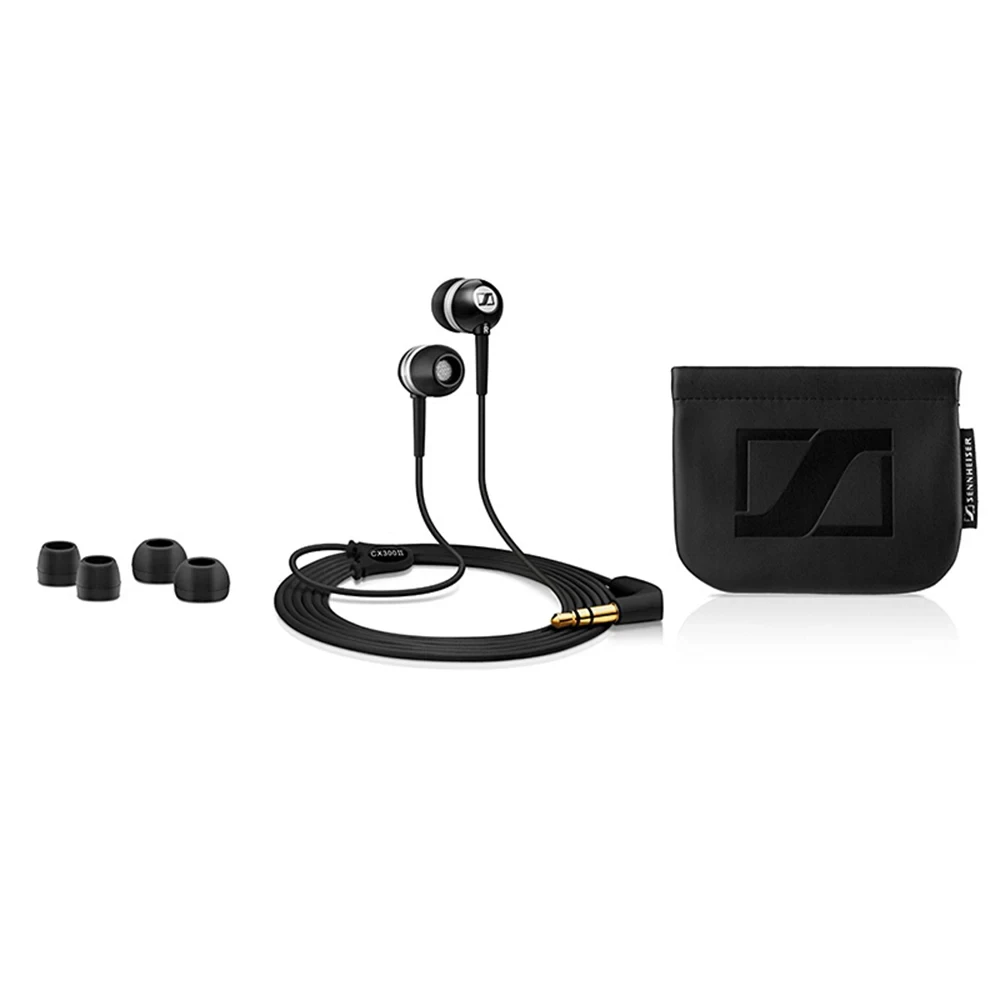
Hygiene. In-ear earphones and over-ear headphones contact the buyer’s body during use. Some retailers refuse to resell returned audio products entirely on hygiene grounds. Amazon’s policy permits resale of returned audio if the unit passes inspection — but the inspection cannot easily assess whether ear tips have been swapped, cleaned, or replaced. For in-ear models particularly, this is a meaningful concern. Premium earphone manufacturers like Sennheiser sometimes pre-pack new ear tips or design tip replacement into the product to address this, but the practice varies.
Battery degradation in wireless units. A wireless earbud’s lithium-ion battery degrades from the moment of first charge. A unit returned at 30 days has measurably less capacity than a new unit, even with no other defects. The grading system has no standardised way to measure this — and the function check at intake doesn’t include battery capacity verification. A “Used – Like New” wireless earbud is technically working, but it’s not the new wireless earbud the grading label implies for buyers familiar only with new product specs.
Cable wear on wired models. Wired headphone cables fail progressively, not suddenly. A cable that’s been bent into a specific pattern for two weeks has internal fatigue that may not manifest as failure for another six months. The intake inspection cannot detect this. The cable looks intact, produces sound during the function check, and the unit is graded as sellable. The next buyer receives the unit with the latent cable damage and may experience the cable failure within their first weeks of ownership.
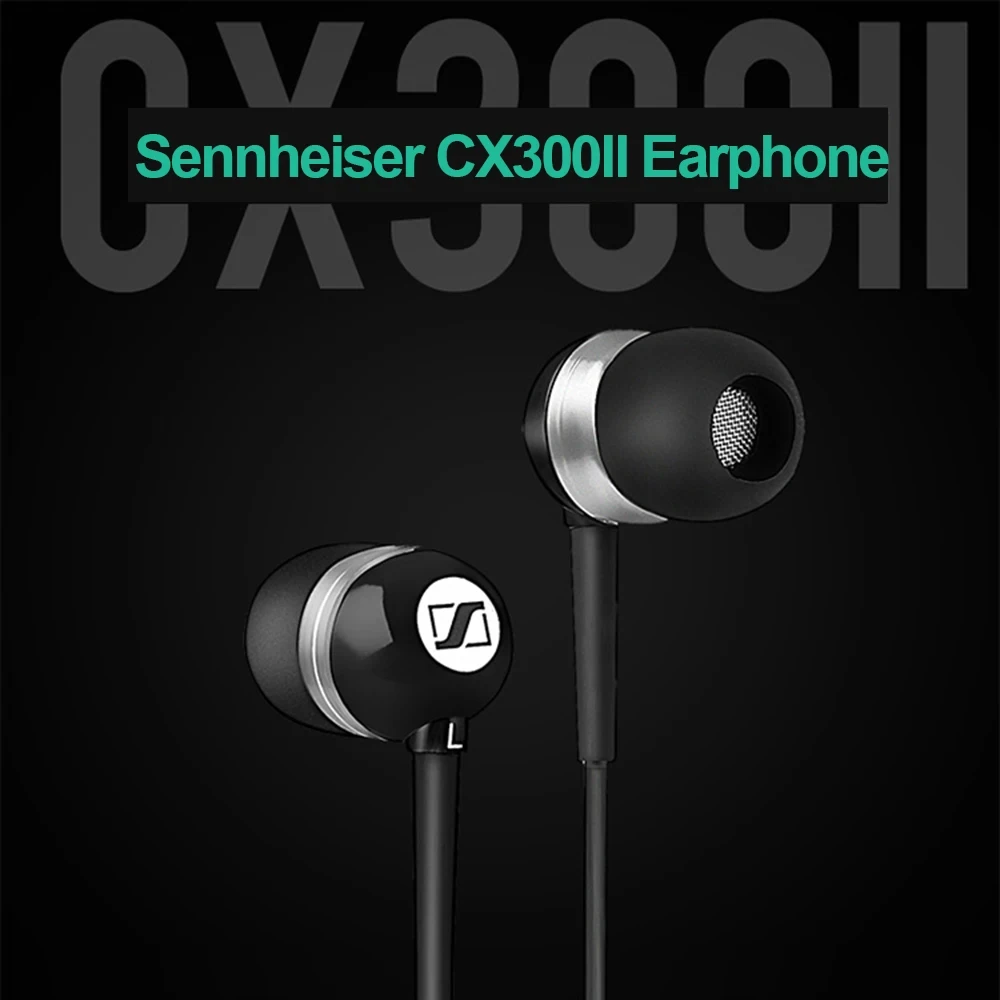
None of this means Amazon Warehouse is a bad place to buy headphones. It means the labels need to be read with operational context. A “Used – Like New” Sennheiser CX 300 II is meaningfully different to a new one — not necessarily worse, but different in ways the listing doesn’t fully disclose.
How to Buy From Amazon Warehouse Without Getting Burned
The Warehouse pipeline isn’t a problem to avoid — it’s a system to understand. Four practical filters that meaningfully improve your odds:
1. Cap your purchases at “Used – Like New” or “Used – Very Good” for electronics. “Used – Good” and below are too high-risk for products where function quality matters. The discount on lower grades doesn’t compensate for the meaningfully higher probability of receiving a unit with issues. For headphones, restrict yourself to the top two grades or buy new.
2. Test thoroughly within the first 7 days. Amazon’s standard return window is 30 days, but the diagnostic signal you can detect in the first week determines what’s worth the return effort. Test channel balance, listen at multiple volume levels, check cable flexibility, verify all accessories. The latent defects from prior use will manifest under deliberate testing if they’re going to manifest at all.
3. Use Amazon Renewed for products where condition certainty matters. The Renewed programme has tighter inspection standards and includes a 90-day guarantee that the standard Warehouse pipeline doesn’t. For higher-value electronics, the price premium over Used – Very Good is usually justified by the reduction in risk. Renewed is a different programme — not just a different label.
4. Know your statutory rights apply regardless. A returned product purchased from Amazon Warehouse still falls under Consumer Rights Act 2015 protection. If the unit has defects within reasonable lifespan that weren’t disclosed in the grading, you have legal recourse against Amazon as the retailer — independent of any warranty consideration. The grading system doesn’t waive your statutory rights, and Amazon cannot disclaim them in any condition statement.
The Amazon Warehouse pipeline produces real bargains when the discount reflects genuine surplus value — buyer’s remorse returns on premium products, packaging-damaged units that are functionally identical to new, last-of-line stock from discontinued products. It produces real risk when the discount reflects unresolved defect circulation. The label doesn’t tell you which is which. The category, the discount depth, and your own testing within the return window do. Treat every Warehouse purchase as a candidate for return until your own use confirms otherwise.
Amazon’s returns pipeline is a real, large-scale operation that processes over a billion packages a year through inspection windows of less than a minute. The grading labels describe cosmetic condition more than functional condition, and the system has known accuracy limitations even on its own terms. Amazon Warehouse isn’t dishonest — it’s just opaque. Understanding what each grade actually represents transforms it from a gamble into a calculated decision. For headphones specifically, restrict yourself to the top two grades, test thoroughly in your first week, and remember that your statutory rights apply regardless of what the listing says.
Buy genuine new stock from a UK seller — no grading uncertainty, no prior-buyer history, no 30-second inspection in between.
Amazon Returns Pipeline
Used Like New Grading
Amazon Renewed
Refurbished Electronics UK
Amazon Guide
More from the Journal
Keep reading