 WhatsApp

Insider, Marketplaces
The Refurbished Electronics Question: When It’s a Genuine Bargain
The Refurbished Electronics Question: When It’s a Genuine Bargain —
And When the Grade Is Hiding a Trap
Refurbished electronics can cut 30-50% off the price of a new device — or leave the buyer with a tired product and no meaningful recourse. The difference isn’t luck. It comes down to who refurbished it, what the grade actually certifies, and what the warranty really covers. Here’s how UK buyers tell a genuine bargain from a trap.
saving vs new
reputable platforms
the sustainability case

The refurbished electronics market has grown from a niche corner of the second-hand economy into a mainstream buying option for UK consumers. Platforms like Back Market, Amazon Renewed, and manufacturer-direct outlets have made buying a professionally restored device as simple as buying a new one — and the savings, typically 30-50% off the new price, are genuinely attractive at a time when household budgets are tight.
But “refurbished” is not a regulated term with a single fixed meaning. It covers everything from a manufacturer-certified device with a full new-equivalent warranty to a lightly-tested returned unit with a vague cosmetic grade and thin recourse. The word on the listing tells the buyer surprisingly little. What matters is the specific detail behind it — and the buyers who understand that detail get the genuine bargains while avoiding the traps.
This guide breaks down what actually separates a refurbished bargain from a refurbished trap: the source, the grade, the warranty, and the specific product categories where refurbished makes sense and where it doesn’t.
The Single Most Important Question: Who Refurbished It?
Before the grade, before the price, before anything else — the identity of the refurbisher is the factor that most determines whether a refurbished purchase is safe. There are three distinct tiers, and the gap between them is significant.
Manufacturer-certified refurbished is the gold standard. Apple’s Refurbished Store, Dell Outlet, and similar manufacturer-direct programmes restore devices using official OEM parts, test them against factory standards, and provide warranties identical to new products. The saving is smaller than other refurbished routes, but the risk is close to zero — the buyer is getting a manufacturer-backed product at a manufacturer-set discount.
Certified third-party refurbishers on curated platforms are the middle tier. Back Market, for example, only works with established refurbishing companies that must meet the platform’s quality standards before listing, and functionality is tested to be equivalent to a new product regardless of cosmetic grade. This tier offers wider selection and sharper pricing than manufacturer-direct, with the trade-off that quality can vary between individual sellers on the platform. Reading the specific seller’s reviews before buying is essential.
Unverified “refurbished” listings on open marketplaces are the trap tier. A generic eBay or marketplace listing describing an item as “refurbished” with no named refurbisher, no clear grading standard, and a vague warranty is the riskiest option. Here “refurbished” might mean professionally restored, or it might mean “wiped and reboxed by a reseller with no testing.” Without a named, accountable refurbisher, the term carries no guarantee.
“‘Refurbished’ isn’t a regulated word. A manufacturer-certified device and a reseller’s wiped-and-reboxed return can carry the same label — and wildly different risk. The refurbisher’s identity is what the buyer is really buying.”
— John Matt, Maibo
What the Grading Words Actually Mean
Reputable refurbished platforms grade cosmetic condition — and this is where buyers most often misread what they’re getting. The critical thing to understand: on quality platforms, the cosmetic grade describes appearance only. Functionality is tested to new-equivalent standard regardless of grade. A “Fair” cosmetic grade on Back Market is not a functionally worse device than “Excellent” — it just has more visible wear.
- 1Excellent / Grade A — near-new appearance
Minimal to no visible wear. The most expensive refurbished tier, closest to new in appearance. For buyers who want the device to look new as well as function as new, this grade justifies its premium. The smallest saving versus new, but the lowest cosmetic compromise.
- 2Good / Grade B — light visible wear
Light scratches or marks visible on close inspection, nothing that affects function. On a platform where functionality is tested to new-equivalent standard, this is often the value sweet spot — meaningfully cheaper than Excellent, with cosmetic wear most buyers stop noticing within a day of use. For a device that goes in a case or is used daily, this grade captures most of the saving with minimal practical downside.
- 3Fair / Grade C — noticeable wear
Clearly visible scratches, scuffs, or marks. The cheapest tier on reputable platforms — and still functionally equivalent to new where the platform tests functionality independently of cosmetics. For a budget-focused buyer who genuinely doesn’t care about appearance, this grade offers the deepest saving. The key is confirming the platform separates cosmetic grade from functional testing; if it doesn’t, “Fair” becomes a genuine risk rather than just a cosmetic one.
- 4Battery health — the grade that isn’t always shown
For any battery-powered device, the most important specification is often the one the cosmetic grade doesn’t cover: battery health. Some refurbishers install a completely new battery; others certify a minimum battery capacity (commonly 80% or above); others don’t disclose it at all. Before buying a refurbished phone, laptop, or wireless earbud, the buyer should confirm the battery health standard. A cosmetically perfect device with a degraded battery is a poorer buy than a scuffed device with a new one.
The Warranty Is Where Bargains and Traps Diverge
The warranty is the clearest signal of whether a refurbished purchase is safe. Reputable platforms provide a minimum standard: Amazon Renewed offers a 90-day return window on standard grades and an extended one-year warranty on premium-tier purchases, matching new-product protection. Back Market provides its own warranty, with an optional extended protection plan covering accidental damage. Manufacturer-certified refurbished typically carries a full new-equivalent warranty.
The trap appears where the warranty is thin, vague, or effectively unenforceable. A “refurbished” listing with a 30-day warranty from an unnamed seller on an open marketplace offers far less protection than a 90-day or one-year warranty from an accountable platform. And crucially — regardless of the platform’s stated warranty, a UK buyer’s statutory rights under the Consumer Rights Act 2015 still apply to refurbished goods bought from a UK retailer. The refurbished label does not remove the requirement that goods be of satisfactory quality, fit for purpose, and as described.
The practical rule: the longer and clearer the warranty, and the more accountable the entity providing it, the safer the purchase. A one-year warranty from Amazon Renewed or a manufacturer-certified programme is a genuine bargain enabler. A 30-day warranty from an anonymous marketplace seller is a trap signal.
Where Refurbished Makes Sense — and Where It Doesn’t
Refurbished isn’t equally sensible across every product category. The calculation depends on how the product ages and what a refurbisher can genuinely restore.
Strong refurbished categories: laptops, tablets, and smartphones from certified refurbishers are excellent refurbished buys — these are high-value devices where the saving is substantial, the components are durable, and a reputable refurbisher can genuinely restore them to near-new function. A refurbished MacBook or iPhone from a certified source is one of the best value propositions in consumer electronics.
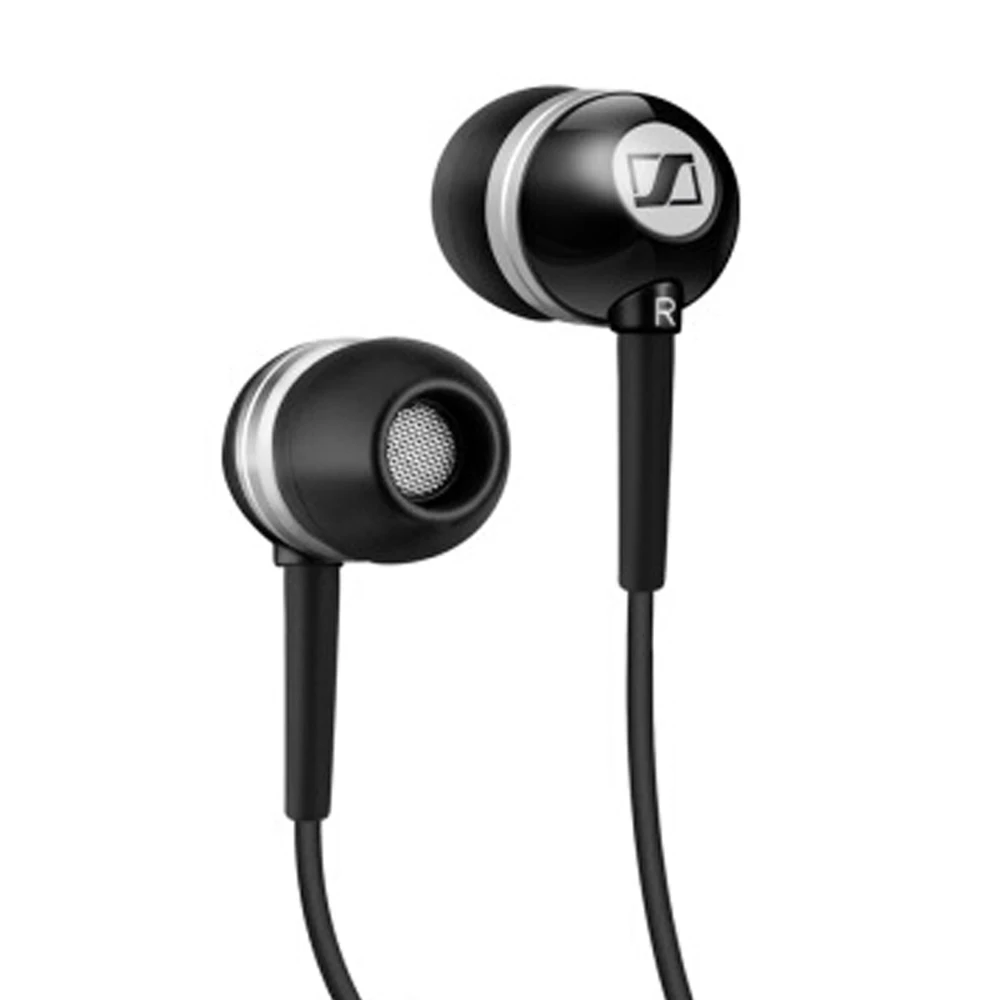
Weaker refurbished categories: in-ear earphones and other products with hygiene considerations, or products where the price is already low enough that the refurbished saving is marginal. For a £15 wired earphone, buying new is almost always the better choice — the refurbished saving is small, and the hygiene and cable-wear concerns of a used in-ear product aren’t worth it. Refurbished economics work best on higher-value devices; on budget products, the saving rarely justifies the compromise.
Before buying any refurbished device, confirm five things: who refurbished it (named, accountable refurbisher, not “a seller”), what the grade certifies (cosmetic only, with functionality tested to new-equivalent standard), the battery health standard for battery-powered devices, the warranty length and who honours it, and whether the category suits refurbished at all. A purchase that clears all five is a genuine bargain. A purchase that fails any of them is where the traps live. And remember — a UK buyer’s statutory rights apply to refurbished goods too.

Refurbished electronics are a genuine bargain when the refurbisher is named and accountable, the grade certifies function as well as cosmetics, the battery health is disclosed, and the warranty is substantial. They become a trap when “refurbished” is an unbacked word on an anonymous listing with a thin warranty. Buy refurbished for high-value devices — laptops, tablets, phones — from certified sources, and the saving is real with minimal risk. Skip refurbished for low-value or hygiene-sensitive products where new costs little more. The word “refurbished” tells you nothing on its own. The five checks tell you everything.
For products where new is the smarter buy — genuine, brand-new electronics, same-day dispatch before 15:00.
Back Market UK
Amazon Renewed
Refurbished Grading
Certified Refurbished
Buyer Education
More from the Journal
Keep reading