 WhatsApp

Insider
What I Learned Buying Stock in Shenzhen for 15 Years
What I Learned Buying Stock
in Shenzhen
for 15 Years
I moved to China in 2006. I spent the next fifteen years inside factories, at trade fairs, across negotiating tables. Here’s the unfiltered version of what that actually teaches you — about products, about quality, and about the gap between what things cost to make and what they’re sold for.
·
Industry Insider
·
March 2026
8 min read
·
maibo.uk
still there today
most rejected
wouldn’t use yourself
The first time I walked through a consumer electronics factory in Shenzhen, I didn’t know what I was looking at. Components everywhere, assembly lines moving faster than you’d think possible, workers who could build something in twelve seconds that you’d spend twenty minutes reading the manual for. It looked like magic.
By year three, I knew what to look for. By year ten, I could tell within sixty seconds of picking up a product whether it was worth listing. That education cost me money, time, and a few supplier relationships that ended badly. What it gave me was something no product listing, no review site, and no trade fair brochure can offer: I actually know what’s inside the box.
This is what fifteen years in Shenzhen taught me about buying electronics — specifically audio products — and why most of what you read about consumer electronics sourcing is either incomplete or quietly dishonest.
Lesson 1: The Price Has Nothing to Do with the Cost
This is the first thing that shocks people when they understand supply chains properly. A product that retails for £80 in a UK shop might cost £4 to manufacture. A product that retails for £12 might cost £3.50. The gap between those two products in terms of actual build quality is almost nothing. The gap in margin is enormous.
What you’re paying for above the manufacturing cost is: brand licensing, marketing spend, distribution chain markup, retailer margin, and packaging. In audio especially, a large portion of the retail price of “premium” products is brand premium — the cost of the logo on the box, not the components inside it.
This doesn’t mean price is meaningless. What it means is that price alone is a terrible guide to quality. I’ve sourced £8 earphones that used better drivers than competing products at five times the price. I’ve also held £60 earphones that I wouldn’t sell to my own customers. The only way to know the difference is to be inside the factory — or to deal with someone who has been.
In Shenzhen I learned that price is a story. Components are reality. The story and the reality are often completely different things.
Lesson 2: The Same Factory Makes Everything
This surprises people more than anything else. The factory that produces a recognised brand’s budget earphone also produces the unbranded version that sells on marketplaces for a third of the price. Same production line. Same components. Different packaging, different MOQ, different label on the box.
I’ve stood in facilities that had twelve different brand names in their client list, ranging from global names you’d recognise immediately to no-name distributors from Eastern Europe. The workers on the line don’t know or care which label goes on the unit they’re assembling. Quality control is the same across all of them — or it isn’t, and that’s when things get interesting.
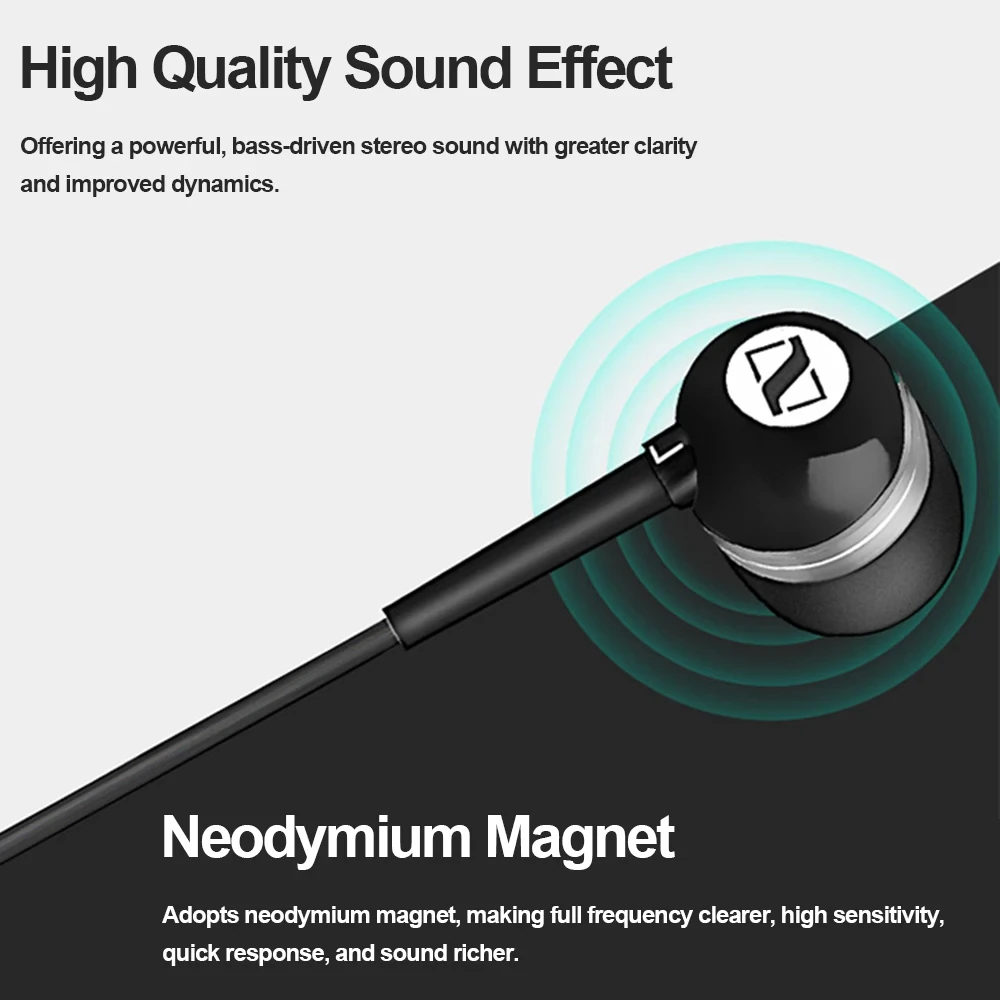
What does vary between brand and no-brand production runs is specification. Brands negotiate component specs — driver size, cable thickness, housing material, tip quality. The no-brand version uses the minimum viable spec that meets a price point. This is where the real difference lives. Not in the factory, not in the logo — in the component specification locked into the purchase order.
·
maibo.uk
Lesson 3: Quality Control Is a Choice, Not a Standard
Every factory has a quality control process on paper. What that process looks like in practice depends entirely on what the buyer is willing to pay for and enforce. I’ve seen QC that meant one person checking every twentieth unit for thirty seconds. I’ve seen QC that meant 100% inspection with calibrated testing equipment for every single piece.
The factories I kept coming back to were the ones where I could walk the floor unannounced and find the same standards I’d agreed to on day one. That’s rare. Most factories are performance-ready — they know when a buyer is visiting and they adjust accordingly. Building a relationship deep enough that you see the real operation takes years. It’s not something you can shortcut with a one-time factory audit.
For audio products specifically, the most common QC failure I saw wasn’t in the driver or the housing — it was in the cable. Cables are the highest-failure-rate component in wired earphones, and they’re also the easiest to cut costs on. Thinner wire, less reinforcement, cheaper solder. The product passes a quick visual check and fails four months after the buyer gets it home.
Lesson 4: Canton Fair Isn’t Where the Real Business Happens
The Canton Fair in Guangzhou is the world’s largest trade fair. Tens of thousands of suppliers, hundreds of product categories, buyers from every continent. I’ve been many times. It’s useful for initial discovery — getting a sense of what’s available, making first contact with potential suppliers.
But the deals worth having don’t happen at trade fairs. They happen six months later, in a conference room in a factory in Longhua or Bao’an, after you’ve visited three times, turned down two samples that weren’t right, and demonstrated that you understand the product well enough to push back on spec decisions. Suppliers reserve their real capacity, their best pricing, and their most reliable output for buyers they trust. Trust takes time.
The buyers who fly in for a trade fair, place a large order on the spot, and expect the same quality they saw on the sample — those are the buyers who end up on sourcing horror story forums. Sourcing is a relationship business. It always has been.
When you buy from a seller with years of category-specific history, you’re not just buying the product. You’re buying the sourcing relationship behind it — the factory visits, the spec negotiations, the QC enforcement, the reject decisions the seller made before you ever saw the listing. That’s what “genuine UK stock from a trusted seller” actually means in practice.
Lesson 5: Counterfeiting Is an Industry, Not a Side Hustle
I’ve been inside counterfeit operations. Not deliberately — you find them when you’re sourcing long enough. A supplier you’re visiting shows you a production run. The packaging looks familiar. The brand name is one you recognise. The supplier is not an authorised manufacturer for that brand. When you ask about it, the answer is always some version of: “This is for export only. Very popular in Europe.”
The scale of it was what surprised me most early on. These are not backroom operations producing fifty units a day. They run on industrial timelines with full packaging, barcodes, serial numbers, and box contents that match the genuine product exactly. The only difference is what’s inside the housing — components sourced for minimum cost with no regard for the specification the original brand engineered.
For discontinued products — Sennheiser models especially — this is now the dominant supply. Genuine stock runs out. Counterfeits fill the gap immediately, at a price point designed to look like a deal on a legitimate discontinued unit. The buyer in the UK has no way to know the difference from the listing. The only protection is knowing exactly where your seller’s stock came from.
Lesson 6: The Best Products Are Often the Ones Nobody’s Selling Anymore
Fifteen years of sourcing taught me something counterintuitive: discontinuation is not a signal of failure. It’s usually a signal of margin pressure. Products get discontinued when the brand decides the market position is no longer worth defending — not because the product stopped being good.
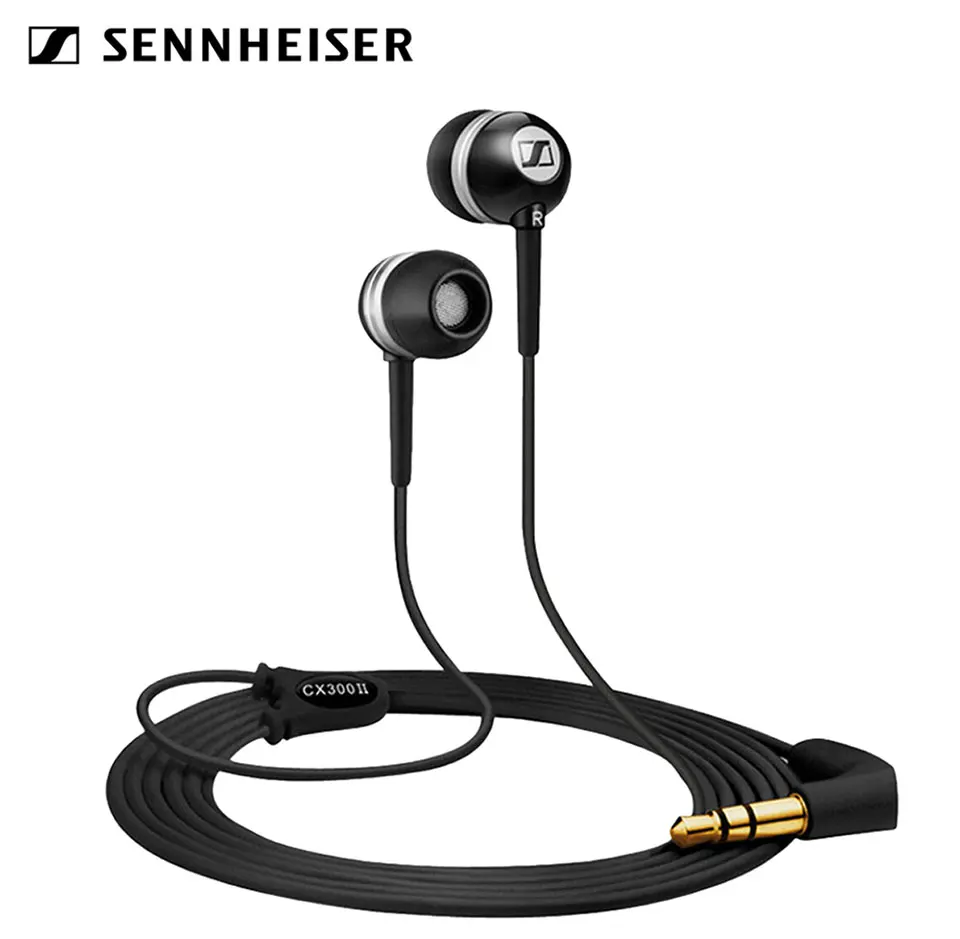
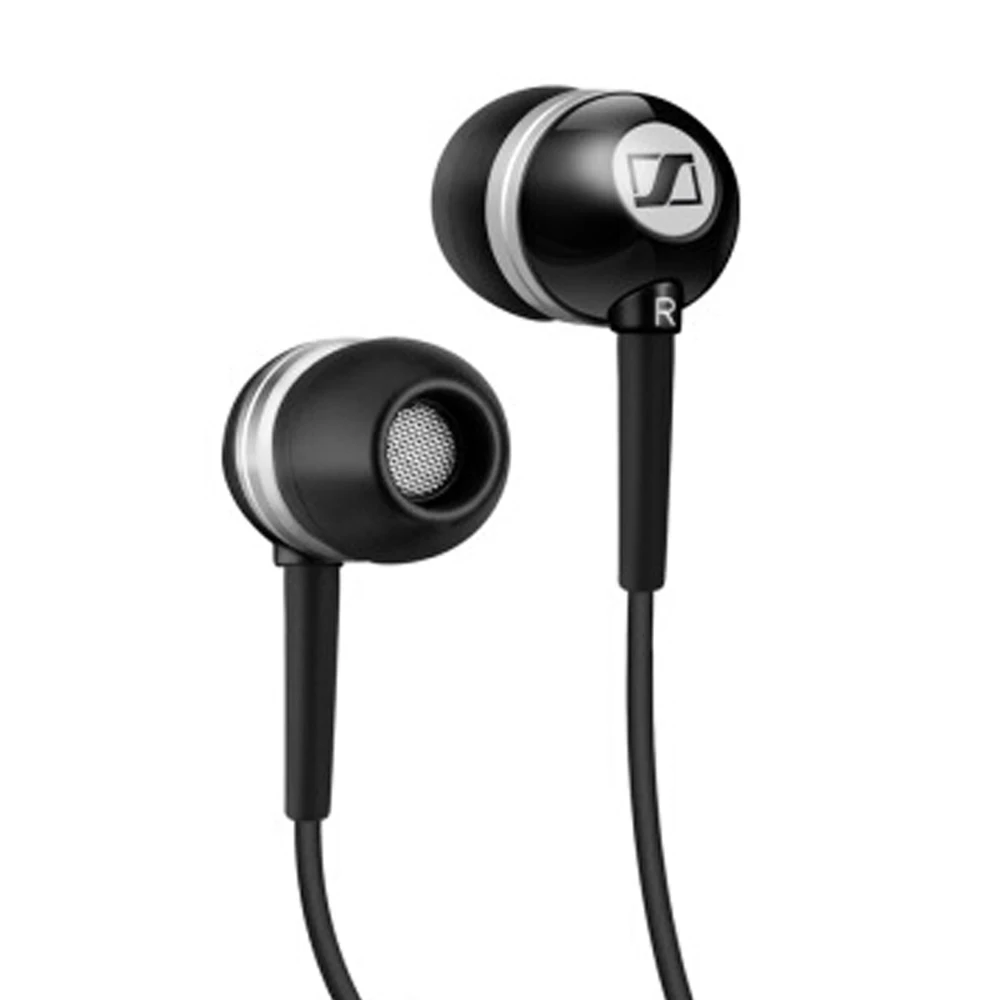
The Sennheiser wired models we stock — CX 300 II, CX 400 II, MX 375 — are the clearest example of this I’ve seen in the UK market. These were excellent products at honest prices. Sennheiser discontinued them to protect margin on their wireless range. The products didn’t get worse. The commercial logic just moved on without them.
We buy and hold genuine stock of these models precisely because we know what they are. Not because the brand is still marketing them. Because we’ve held the product, we understand the component quality, and we know there’s nothing at the price that replaces them. That’s not sentiment. That’s just sourcing.
·
maibo.uk
The most useful thing Shenzhen taught me is this: the gap between a product that lasts and a product that fails is almost always invisible from the outside and completely visible from the inside. Buy from people who’ve been inside. Everything else is a guess.
Products We Source. Stock We Stand Behind.
Genuine Sennheiser UK stock — sourced directly, stored properly, sold honestly. No grey imports. No counterfeits.
Sourcing
Supply Chain
Consumer Electronics
Industry Insider
Counterfeit Audio
Sennheiser
